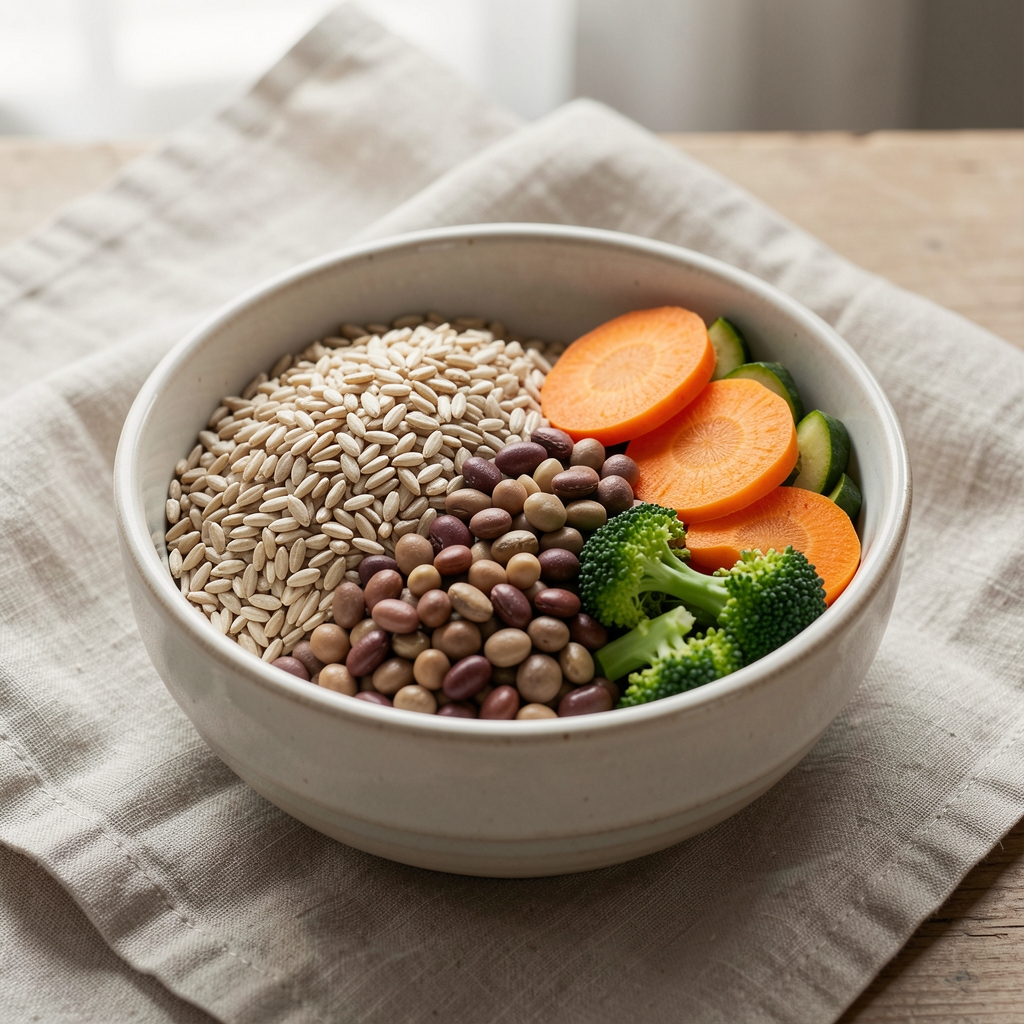
Eating Patterns
What the Weekly Plate Reveals About Long-Term Weight Patterns
Eleanor Whitfield
·
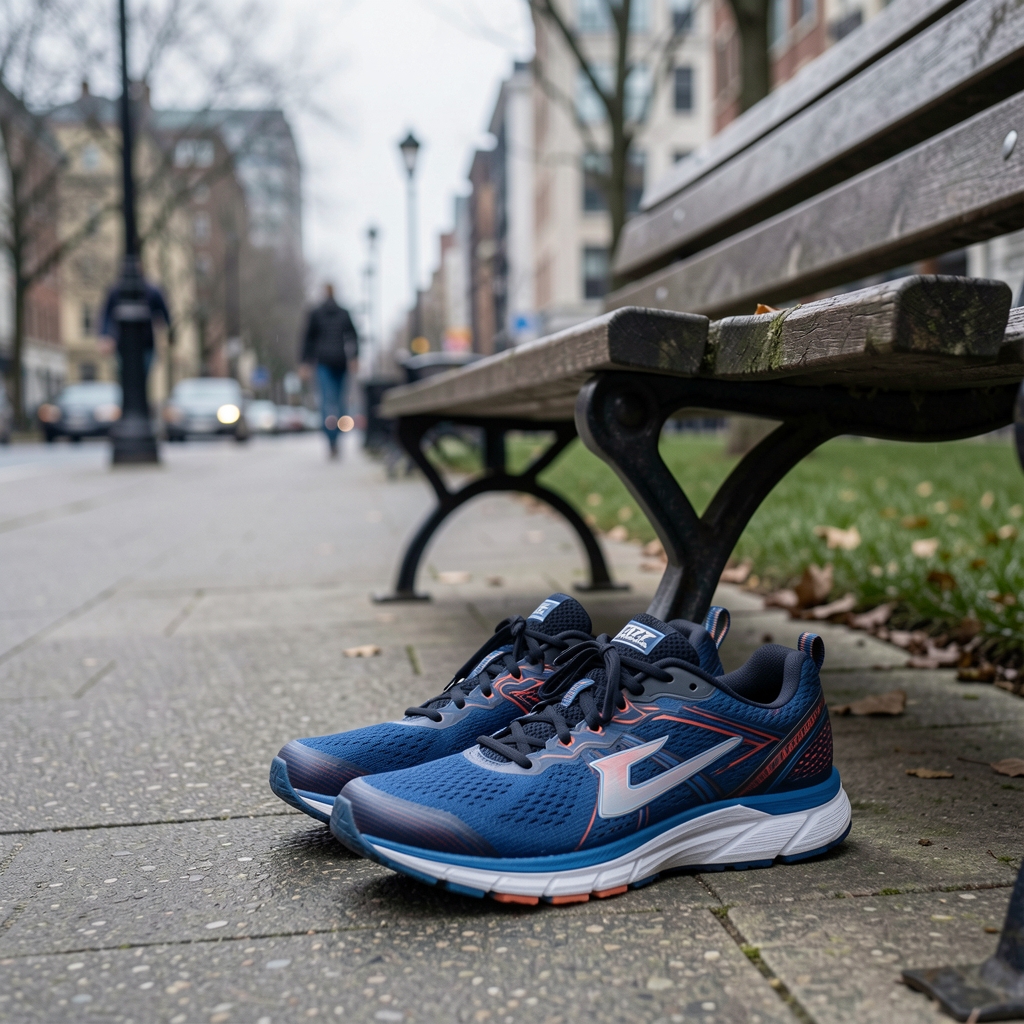
Active morning walk, street level — London, March 2026
An editorial examination of how regularity in physical activity — not intensity — intersects with eating patterns to influence weight across a sustained period. The argument here is not that sport burns sufficient calories to offset a poor diet. It is that consistent, low-to-moderate movement reshapes the eating patterns it accompanies — and that this reshaping is the more significant of the two effects.
There is a persistent popular assumption that the relationship between sport and weight is primarily a matter of energy expenditure — that exercise burns calories, and that more intense exercise burns more of them. The data on this is more complicated. High-intensity exercise is associated with compensatory appetite increases that, in many populations, partially offset the caloric expenditure. The body's regulatory mechanisms respond to significant energy demands by signalling hunger more strongly, which can lead to increased food intake in the hours following vigorous exercise.
Low-to-moderate intensity movement — walking, cycling at a leisure pace, swimming without competitive pressure — produces a different physiological response. The appetite signal is less dramatically affected, the movement is more easily sustained over long periods, and the practical integration into daily life is more natural. For most people who are not competitive athletes, the relationship between sport and weight is better understood through the lens of sustained daily movement than through the lens of periodic intense exertion.
In London, where walking is both practical and common, the accumulated distance of a pedestrian day represents a significant low-intensity movement load. A person who walks to work, walks at lunch, and walks home may cover five to eight kilometres without engaging in what they would describe as sport at all. This background movement level is, over the course of months and years, a more consistent contributor to weight balance than sporadic high-intensity exercise sessions.

Daily practice, single object in frame — London, March 2026
The more significant effect of regular movement on weight may not be the calories it expends but the eating patterns it tends to accompany. There is a well-documented correlation between regular physical activity and a reduced tendency toward late-night eating, snacking on processed foods, and consuming large quantities of high-calorie beverages. The mechanism is not fully understood, but the association is consistent across population studies.
Several possible explanations have been proposed. Regular movement may improve sleep quality, and sleep quality is itself associated with more stable appetite regulation and fewer impulsive food choices. Exercise may increase the general sense of physical awareness, which can translate into greater mindfulness about food selection. Or the relationship may simply reflect a common underlying orientation — people who prioritise regular movement also tend to prioritise considered food choices — without one directly producing the other.
Whatever the mechanism, the practical observation is useful: people who move regularly tend, as a group, to eat differently than those who do not. Their eating patterns tend to be more structured, their portion awareness tends to be higher, and their reliance on processed convenience food tends to be lower. The active lifestyle, in this sense, does not work primarily through caloric expenditure. It works through the food habits it accompanies.
"The active lifestyle does not work primarily through caloric expenditure. It works through the food habits it accompanies."
Food journalling — the practice of recording what one eats — is more commonly sustained by people who also maintain a regular movement habit. This is not coincidental. Both practices require a similar orientation: a willingness to pay attention, to notice patterns, and to regard the day's choices as data rather than as a verdict on character. The person who tracks a Saturday morning run is, in a structural sense, already engaged in the kind of self-observation that food journalling requires.
The combination of regular movement and food journalling has been the subject of several nutrition observational studies. The consistent finding is that the combination produces more sustained awareness of food intake than either practice alone. Movement raises the salience of food as fuel; journalling provides the record that makes patterns visible. Together, they create a feedback loop that many people find more navigable than calorie calculation alone.
At Korit Gazette, the editorial interest in food journalling is not in the precision of the record but in the practice of observation. A person who writes down what they ate for lunch three times a week is developing a different relationship with food than one who eats the same lunch without reflection. The specific content of the journal matters less than the habit of attending to it.
Nutritional research on the relationship between exercise frequency and long-term weight patterns points consistently toward regularity over intensity. Three to five sessions of moderate activity per week — whether that is running, swimming, cycling, or a structured walking routine — appears more associated with stable weight outcomes than one or two high-intensity sessions, or than irregular bursts of intense exercise separated by long sedentary periods.
The explanation likely lies in habit formation. Three-times-weekly activity becomes a structural feature of the week — it has its slot in the schedule, it is anticipated, and it is associated with a particular set of adjacent behaviours (the meal that precedes a run, the recovery food that follows a swim). The regularity gives movement a grip on the week's rhythm that occasional intensive exercise does not.
For those who do not currently exercise regularly, the research on beginning an exercise habit suggests that the simplest starting point — a daily walk of twenty to thirty minutes — is more likely to be sustained than a more ambitious programme. The humility of the starting point matters. A walk that is maintained becomes, over a year, a very significant accumulation of movement; an ambitious programme that collapses after three weeks leaves nothing.
Regular movement does create some specific nutritional considerations. Those who exercise consistently have generally higher requirements for protein-rich whole foods to support muscular recovery — not supplements, but ordinary food sources: legumes, eggs, fish, poultry, and dairy products. They also have higher overall energy requirements on days of greater activity, which needs to be accounted for in the overall structure of the week's eating.
The practical implication is that a weight-aware diet for an active person should not be a static document. It should flex with the week's activity level — more substantial on days of higher movement, lighter on sedentary days. This is closer to how traditional food cultures organised eating than to the fixed-calorie models that dominate much popular nutrition advice. The body's own appetite signals are, when attended to with some care, a reasonable guide to this adjustment.
Mindful eating — the practice of attending to what one eats and to the experience of eating — is particularly useful in this context. An active person who eats with some attention to hunger and satiety signals will, over time, self-regulate their intake more effectively than one who follows a fixed daily caloric target regardless of activity level. The target approach imposes a rigidity that tends to break down; the attention approach is more supple and more forgiving of variation.

Eleanor holds a postgraduate qualification in human nutrition from a London institution and has spent seven years as an independent food and nutrition writer. Her editorial focus is on long-form observation — tracing patterns in how ordinary people navigate their relationship with food across seasons and life stages.
Read More Articles →